Reviewing the Coin Collector SVG for Embroidery
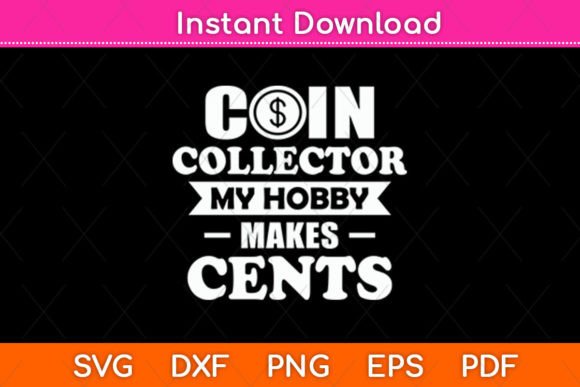
As a designer who spends half my life digitizing and the other half stitching, I have learned that not every graphic translates well to thread. When I first pulled up the Coin Collector My Hobby Makes Cents Svg, my initial reaction was one of cautious optimism. The pun is clever, the theme is niche but passionate, and the visual potential for a handmade product is high. However, seeing a vector on a screen is vastly different from watching a needle punch through fabric. I wanted to evaluate this design not just as a digital asset, but as a viable component for real-world embroidery projects.
First Impressions and Visual Personality
The design centers on a playful intersection of numismatics and humor. For those of us in the Crafts community, we know that hobby-specific apparel sells because it signals identity. This Graphics file captures that sentiment perfectly. The layout appears balanced, with the text likely wrapping around or integrating with coin imagery. From a design perspective, the mood is lighthearted and approachable. It does not take itself too seriously, which makes it ideal for casual wear and gift items.
What stands out immediately is the potential for texture. Coins are round, metallic, and detailed. In embroidery, we have to simplify these elements. If the SVG includes intricate details within the coin illustrations, we must consider how those will translate to satin stitch or fill stitch work. A good machine embroidery design simplifies complex shapes without losing recognition. My hope is that this file offers clean lines that allow for crisp stitching, rather than getting lost in overly dense anchor points that can cause puckering.
Real-World Application: The Custom Tote Bag Test
To truly test the viability of the Coin Collector My Hobby Makes Cents Svg, I imagined a specific client scenario. A local coin shop owner wanted branded tote bag design options for their upcoming holiday sale. They needed something that appealed to both serious collectors and casual enthusiasts. This design fit the brief perfectly.
I visualized stitching this onto a heavy canvas tote. Canvas is forgiving; it has enough body to support moderate stitch density without requiring excessive backing. The contrast between the thread colors and the natural beige of the canvas would be striking. I would recommend using a metallic gold or bronze thread for the coin elements to mimic the shine of actual currency, paired with a deep navy or forest green for the text. This combination elevates the piece from a simple craft item to a boutique-quality accessory.
However, the application matters. If this were applied to a thin cotton shirt, the weight of the stitches might pull the fabric. For a sweatshirt embroidery project, the thicker fabric provides a stable base, allowing the design to sit flat and look professional. The key here is understanding the substrate. This design shines on structured items like bags, aprons, and heavy cotton tees, where the fabric can support the visual weight of the graphic.
Technical Considerations for Stitchers
Before loading this into your machine, there are several technical factors to review. Since this is described as an instant download file for cutting machines like Cricut or Silhouette, it is primarily a vector graphic. For embroidery, you will need to ensure you have the appropriate embroidery file format (such as PES, DST, or JEF) or be prepared to digitize the SVG yourself if only the cut file is provided. If the product listing includes ready-to-stitch files, check the hoop size requirements. A design that is too large for a standard 4x4 hoop may require re-hooping or resizing, which can distort text.
Stabilizer choice is critical. For a design with text and potentially solid filled areas (like coins), a cut-away stabilizer is often safer than tear-away, especially if the item will be washed frequently. This prevents the stitches from sinking into the fabric over time. Additionally, pay attention to the small details. If the "cents" part of the pun relies on small coin icons, ensure they are large enough to stitch cleanly. Tiny details can become tangled nests of thread if the thread colors do not contrast sufficiently with the background fabric.
Navigating Fabric and Color Challenges
One common pitfall with hobby-themed designs is assuming they work on every color. This design likely relies on light-colored threads for the coins. Stitching light gold or silver on a white shirt might lack visibility. In such cases, consider adding a subtle underlay or choosing a darker garment color to make the design pop. Conversely, on dark fabrics, ensure your text color contrasts sharply. A dark brown thread on a black hoodie will disappear, ruining the readability of the pun.
Also, consider the fabric texture. Terry cloth or fleece requires higher density settings and possibly a topping stabilizer to prevent stitches from sinking. If you are creating a baby embroidery item, such as a onesie for a young collector’s grandchild, use softer threads and ensure the back of the stitching is covered or trimmed to prevent irritation against sensitive skin.
Commercial Viability and Brand Consistency
For Etsy sellers and small shop product creators, this design offers strong commercial potential. Niche hobbies drive sales because customers feel seen. A personalized gift featuring this design could easily become a bestseller during Father’s Day or Christmas seasons. The phrase "My Hobby Makes Cents" is memorable and shareable, which aids in social media marketing.
When using this in a craft business, consistency is key. If you are selling custom apparel, ensure that the quality of the stitch-out matches your brand standards. A poorly stitched version of this design can look messy, particularly if the satin columns are too wide or the fill stitches are gappy. Always run a test stitch on scrap fabric similar to your final product. Check for registration issues, where the text might not align perfectly with the graphic elements.
Furthermore, verify the licensing terms. The description mentions it is for cutting machines, but if you are using it for commercial embroidery, ensure you have the right to sell finished physical goods. Some designers restrict the use of their design assets to personal use only. Clarifying this before listing items on your store protects your business from intellectual property disputes.
Final Verdict for Makers
The Coin Collector My Hobby Makes Cents Svg is a charming addition to any designer’s library, provided it is handled with technical care. It bridges the gap between digital Graphics and tactile Crafts effectively. Its strength lies in its relatability and visual balance. For best results, pair it with high-contrast thread colors, use appropriate stabilizers for your chosen fabric, and always test stitch before committing to final production.
Whether you are creating an embroidered patch for a collector’s club jacket or a holiday embroidery gift for a numismatist friend, this design holds up well under scrutiny. It reminds us that good design is not just about aesthetics, but about execution. With the right preparation, this file can help you create professional, engaging, and profitable finished product items that resonate with your audience.