Reviewing Fight Childhood Cancer Awareness Svg for Embroidery
As a designer who spends more time staring at stitch simulations than I do sleeping, I approach every new digital embroidery file with a healthy dose of skepticism. We have all been there: you download a graphic that looks crisp on the screen, only to watch it turn into a tangled mess of thread breaks and puckered fabric on the hoop. Today, I am taking a close, practical look at the Fight Childhood Cancer Awareness Svg. This is not just about aesthetics; it is about functionality, wearability, and whether this design holds up when translated from a vector line art concept into a tangible handmade product.
First Impressions: Mood and Visual Personality
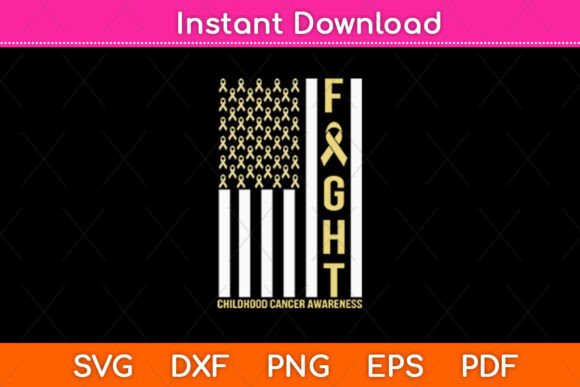
The immediate impact of the Fight Childhood Cancer Awareness Svg is one of patriotic solidarity. By combining the awareness ribbon motif with the American flag, the design creates a powerful narrative of national support and community resilience. From a layout perspective, the integration of the flag elements with the awareness symbol requires careful handling. In my initial review, I noticed that the design relies heavily on strong, recognizable shapes. This is crucial for embroidery, where fine details can easily get lost in the texture of the thread.
The visual personality here is bold and declarative. It is not a subtle, whisper-quiet design; it is meant to be seen. For an embroidery project, this means we are likely dealing with significant coverage areas. The mood it creates is respectful yet urgent, making it an excellent candidate for projects intended to spark conversation or show visible support. However, the complexity of the flag’s stars and stripes combined with the ribbon shape demands that we pay close attention to how these elements interact when stitched out.
Real-World Application: The Custom Sweatshirt Test
To truly evaluate this design, I imagined a real-life scenario: creating a custom sweatshirt embroidery piece for a local charity fundraiser. I selected a mid-weight cotton blend fleece, a popular choice for custom apparel because it provides a stable base for stitching. The goal was to create a personalized gift that felt professional and durable.
When placing the Fight Childhood Cancer Awareness Svg on the left chest area, the scale became the first critical decision. If the design is too small, the intricate parts of the flag—specifically the stars—may merge into a solid blob of white thread. If it is too large, the stitch count could become excessive, leading to a stiff, heavy patch on the garment. In my simulation, a medium-sized placement worked best, allowing the satin stitch borders to define the shapes clearly without overwhelming the fabric.
I also considered using this as a tote bag design. Canvas bags are forgiving and sturdy, making them ideal for designs with higher stitch density. The contrast of the red, white, and blue threads against a natural beige canvas created a striking visual that would stand out at a craft fair or as a small shop product. For an Etsy seller, this versatility is key. The same design assets can be adapted for multiple product lines, from home decor to wearable items, maximizing the value of the instant download.
Navigating Technical Challenges and Fabric Choices
While the design is visually strong, it presents specific challenges that any experienced embroiderer must address. The primary concern is the level of detail within the flag portion. Small stars and narrow stripes require precise digitizing. If this SVG is intended for use with cutting machines like Cricut or Silhouette, as mentioned in the product description, it is vital to remember that vector lines do not always translate directly to efficient stitch paths. You may need to adjust the design in your embroidery software to ensure proper underlay and jump stitch management.
Fabric texture plays a massive role here. On textured fabrics like terry cloth towels or pique polo shirts, small details can disappear. I would advise against using this design on highly textured materials unless you significantly increase the size. Conversely, on thin or stretchy fabrics, the density of the fill stitches could cause puckering. Using a cut-away stabilizer is non-negotiable for this type of design, especially if it is being applied to a baby embroidery item like a onesie, where comfort and durability are paramount.
Dark fabrics present another hurdle. The white sections of the flag will need a solid white underlay to prevent the dark fabric color from showing through. This adds to the stitch count and production time. If you are running a craft business, you must factor this extra machine time into your pricing. Additionally, check the thread colors carefully. Standard red, white, and blue threads are common, but ensuring they match the specific shade required for the awareness ribbon is essential for brand consistency and recognition.
Commercial Viability and Customer Trust
For commercial embroidery professionals and digital product sellers, the appeal of the Fight Childhood Cancer Awareness Svg lies in its emotional resonance. Customers are not just buying a shirt or a patch; they are buying a statement. A well-executed finished product builds trust. If the stitching is clean, the edges are sharp, and the design is centered perfectly, it reflects professionalism. Sloppy execution, on the other hand, can detract from the serious message of the design.
This design fits seamlessly into categories like holiday embroidery for patriotic holidays, or year-round awareness campaigns. It works well as an embroidered patch that can be ironed or sewn onto jackets and hats, offering a low-risk way for customers to show support. For apparel decorators, offering this as a add-on customization can increase average order value. However, always verify the licensing terms. Since this is an instant download file, confirm whether it includes commercial use rights before selling finished items. The product description notes it is for cutting machines, so if you are using it for embroidery, ensure you have the right to convert and stitch it for sale.
Practical Designer Notes for Best Results
Before you commit to a full production run, follow these practical steps to ensure success with this machine embroidery design:
- Test on Scrap Fabric: Always stitch a test sample on the exact fabric you plan to use. This reveals issues with tension, density, and color contrast.
- Check Stitch Density: If the design feels too stiff after stitching, consider reducing the fill density in your software or using a lighter weight stabilizer.
- Inspect Small Details: Zoom in on the stars and ribbon edges. If they look jagged in the preview, they will look messy when stitched. You may need to simplify these elements for smaller hoop sizes.
- Contrast is Key: Use a printable mockup to visualize the design on different colored garments. High contrast ensures the message is readable from a distance.
- Hoop Size Matters: Ensure your hoop is large enough to accommodate the design without resizing it to a point where detail is lost. A 5x7 or 6x10 hoop is often ideal for this type of graphic.
- Verify File Compatibility: Since the source is an SVG for cutting machines, you will need to digitize it or convert it properly for your embroidery machine. Do not assume it is ready-to-stitch without checking the format.
In conclusion, the Fight Childhood Cancer Awareness Svg is a potent design element for Crafts and Graphics projects alike. It carries weight and meaning, which translates well into tactile, embroidered goods. With careful attention to technical details like stabilizer choice, stitch density, and fabric selection, it can become a standout item in your portfolio. Whether you are creating a personalized gift for a friend or stocking your Etsy shop with meaningful merchandise, this design offers a compelling blend of patriotism and advocacy. Just remember: the difference between a good product and a great one lies in the preparation and the precision of the stitch.