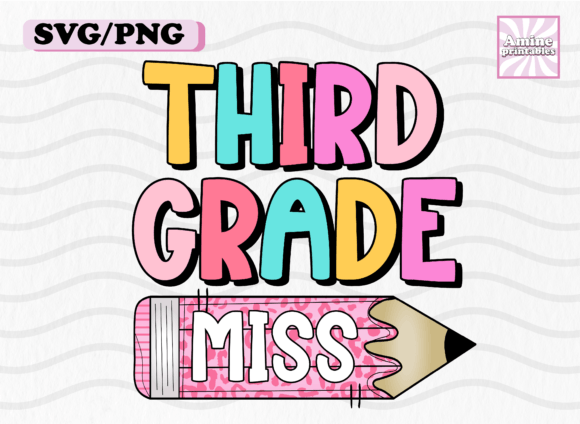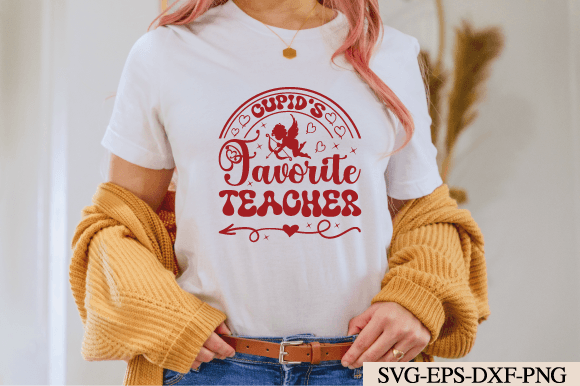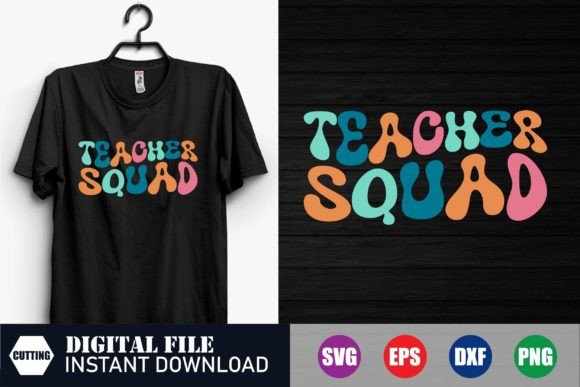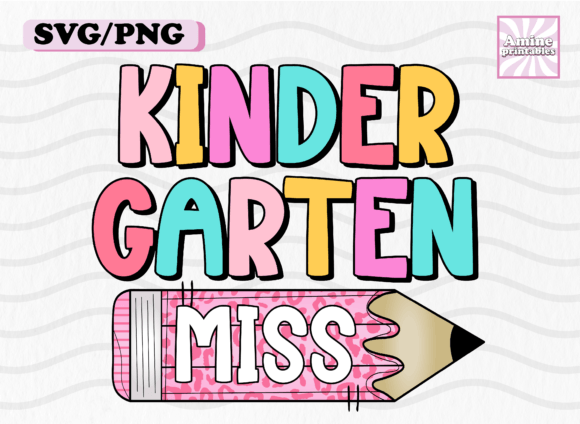
Reviewing the Second Grade School Girl Pencil Teacher Design
As a designer who spends more time staring at stitch simulations than I do sleeping, I approach every new machine embroidery design with a healthy dose of skepticism. We have all been there: you download a cute graphic, load it onto your machine, and watch in horror as the thread nests into a bird’s nest because the density was all wrong or the details were too fine for the fabric. That is why I took a close, practical look at the Second Grade School Girl Pencil Teacher design. This isn’t just about whether it looks good on a screen; it is about how it performs when the needle hits the fabric.
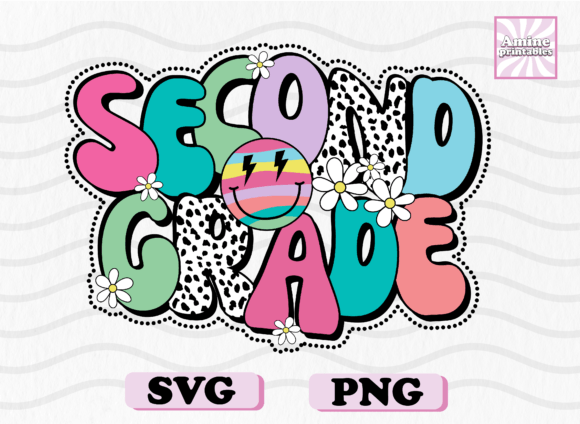
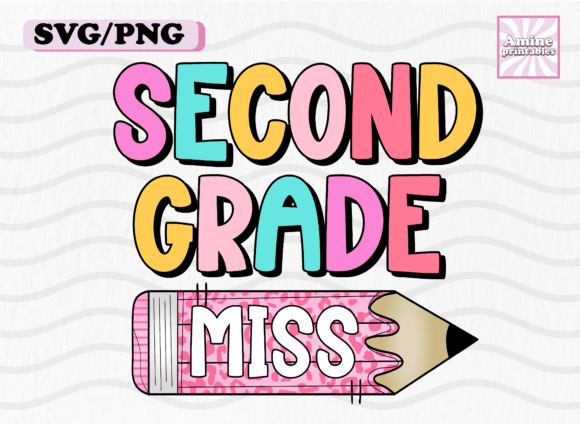
The first impression of this piece is undeniably charming. It captures a specific niche mood that resonates deeply with educators and parents alike. The theme is clear, playful, and professional without being overly childish. For those of us in the Crafts and Graphics space, finding designs that balance whimsy with clarity is often a challenge. This design manages to hold its own visually, offering a layout that feels intentional rather than cluttered. When I visualize this stitched out, I see it working best on items that have a bit of surface area, allowing the details to breathe.
Real-World Application: The Custom Tote Bag Test
To truly evaluate the Second Grade School Girl Pencil Teacher design, I imagined a real-life scenario that many Etsy sellers and small shop product creators face daily. Let’s say a local teacher orders a custom tote bag design for the start of the school year. She wants something durable, stylish, and representative of her grade level. This is where the rubber meets the road.
If I were stitching this onto a heavy canvas tote, the structural integrity of the design would be paramount. The pencil element suggests linear details, which likely rely on running stitch or fine satin stitch work. On a textured fabric like canvas, these lines need to be thick enough to not get lost in the weave but refined enough to maintain the shape of the pencil. In my assessment, this design seems well-suited for such applications, provided the digitizer has accounted for the fabric pull. The "school girl" aspect implies a character or figure, which usually involves fill stitch areas. These fills need to be dense enough to cover the fabric but not so dense that they cause puckering, especially on a bag that will carry heavy books.
Versatility Across Product Lines
Beyond tote bags, the versatility of this embroidery file is one of its strongest selling points for creative entrepreneurs. Consider sweatshirt embroidery. A crewneck sweatshirt provides a soft, stable background that loves a good fill stitch. The design would sit prominently on the left chest or larger on the back. Here, the contrast of thread colors becomes critical. If the design includes light pastels, they will pop beautifully against navy or charcoal heather grey, common colors for teacher apparel.
However, we must also consider smaller applications. Could this work as an embroidered patch? Absolutely. Patches are trending, and a design with a clear outline like a pencil lends itself well to being cut out and appliquéd or merrowed. For baby embroidery, such as on a onesie or a bib, caution is advised. The details might be too small for such a tiny hoop, and the comfort of the baby is priority number one. Thick, dense stitching on a baby’s chest can be irritating. Therefore, I would recommend scaling up or simplifying the design if adapting it for infant wear.
For holiday embroidery projects, such as back-to-school gifts or end-of-year appreciation presents, this design fits seamlessly. It serves as a perfect personalized gift when paired with a name or year. The visual appeal here drives customer trust; a clean, well-digitized design signals professionalism. When a buyer sees crisp lines and no thread breaks in your printable mockup or actual photos, they are more likely to engage with your brand.
Technical Considerations and Potential Pitfalls
While the aesthetic is strong, we must discuss where the Second Grade School Girl Pencil Teacher design requires careful handling. Not every fabric is a friend to intricate digital embroidery file formats. Textured fabrics, like pique polo shirts or waffle-knit towels, can distort fine lines. If the design relies heavily on thin outlines for the pencil or facial features, these might disappear or look jagged on rougher textures.
Stretchy fabrics present another challenge. If you are planning to use this on a stretchy tee, proper stabilization is non-negotiable. A cut-away stabilizer is usually best for garments that will be washed frequently, ensuring the stitch density does not distort the fabric over time. Dark fabrics require special attention to thread choice. If the design has light elements, you may need an underlay of white thread to prevent the dark fabric from showing through, which can muddy the colors and reduce the vibrancy of the final finished product.
Curved surfaces, such as caps, are tricky. If the design is wide, it might not conform well to the curve of a baseball cap without distortion. I would advise checking the width of the design against your standard cap hoop size. If it is too wide, the edges might lift or pucker. Always test on a scrap piece of the same material before committing to the final item. This simple step saves time, money, and reputation.
Enhancing Visual Appeal and Brand Consistency
From a branding perspective, using high-quality design assets like this helps maintain consistency. If your shop specializes in educational or teacher-themed goods, this design reinforces your niche. It shows that you understand your audience. The mood is cheerful and academic, which aligns perfectly with commercial embroidery projects aimed at schools or tutoring centers.
When creating listings, use this design to highlight the quality of your work. Close-up shots of the stitch work can demonstrate the precision of the satin stitch borders or the smoothness of the fills. This transparency builds buyer engagement. Customers want to know what they are getting. By showing the design on various items—mugs (via sublimation if applicable), tumblers, or framed artwork—you expand the perceived value of the single embroidery project.
Practical Notes for the Designer
Before you rush to list this in your craft business, take a moment to review the technical specs. Since specific details like exact stitch count or file formats were not provided in the initial description, you must verify these yourself. Check if the design comes in multiple hoop sizes. Ensure you have the correct file format for your machine, whether it is PES, DST, or another proprietary format.
- Test on Scrap Fabric: Always run a test stitch-out on the same type of fabric you plan to use for the final product.
- Check Thread Contrast: Plan your color palette carefully. High contrast usually yields better definition for detailed designs.
- Review Stitch Density: If the design feels too stiff after stitching, consider reducing the density in your editing software if you have the skills, or choose a lighter fabric.
- Confirm Licensing: Before selling finished items or digital products, confirm the license terms. Can you use it for commercial embroidery? Are there restrictions on the number of units?
- Inspect Small Details: Zoom in on the preview. Are there tiny elements that might break during washing? If so, consider removing or enlarging them.
In conclusion, the Second Grade School Girl Pencil Teacher design offers a solid foundation for a variety of handmade product lines. It is not just a graphic; it is a tool for connection between teachers, students, and parents. With careful attention to fabric choice, stabilization, and thread selection, it can become a staple in your portfolio. Be the FIRST to get it and start experimenting with how this design can elevate your custom apparel and gift offerings. Remember, the difference between a good product and a great one often lies in the details of execution.